THE
ARCHITECT'S
DREAM
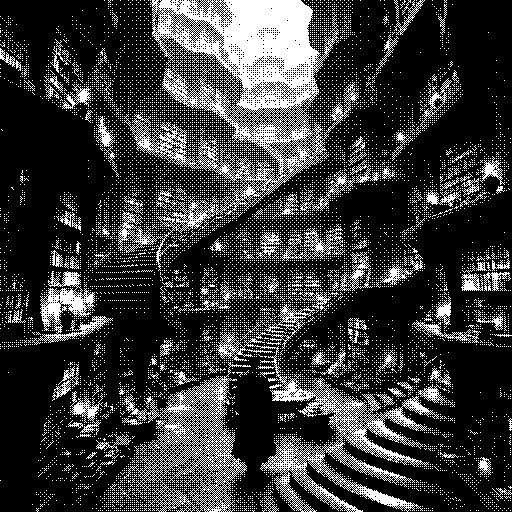
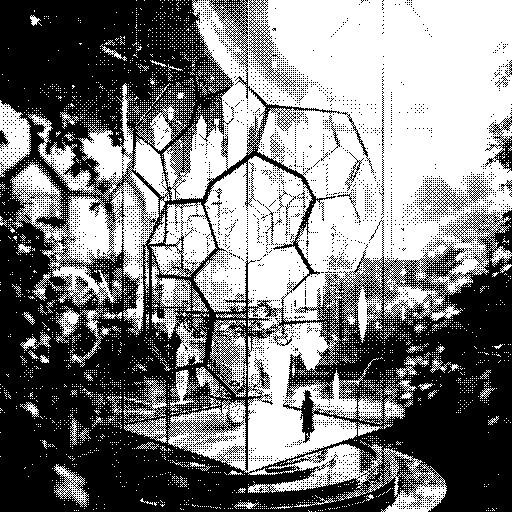
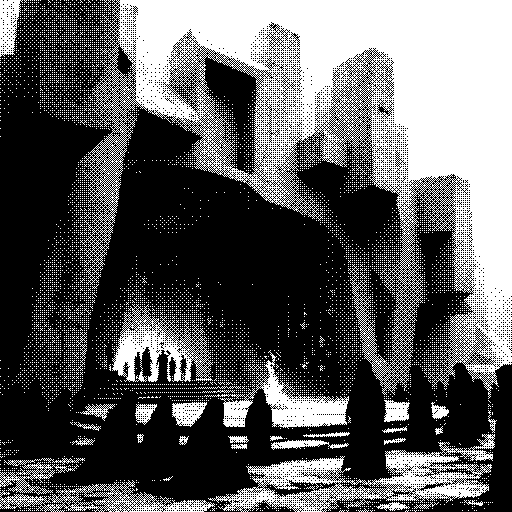
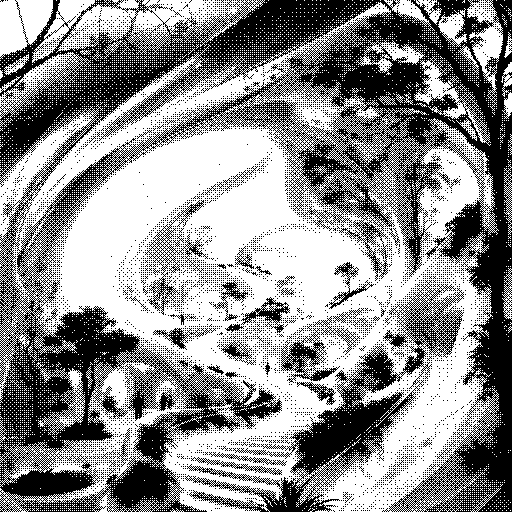
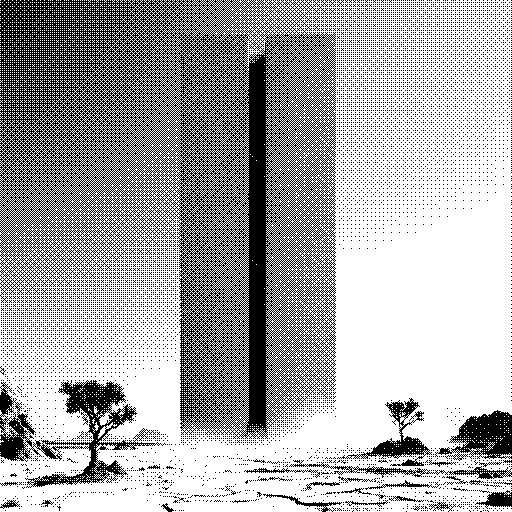
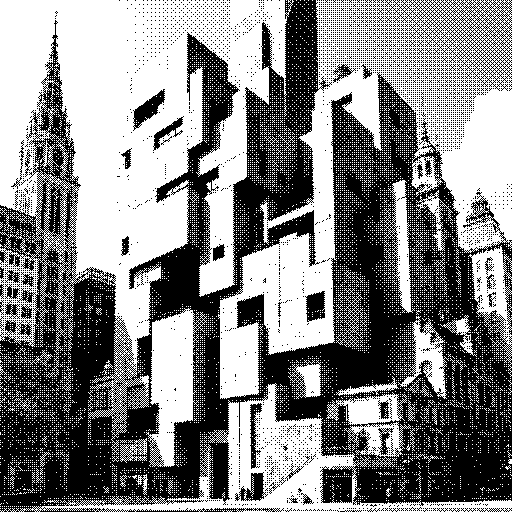
A show of speculative architecture made with AI image tools — Midjourney, FLUX, Krea AI, Unreal Engine — by architecture students at UniSA and RMIT.
Words by
Nathan James Crane
Architecture has always operated within a space between vision and material reality. It responds to critical challenges, providing spatial solutions and infrastructural interventions, yet it also speculates — imagining futures beyond the immediate constraints of material, politics, and time.
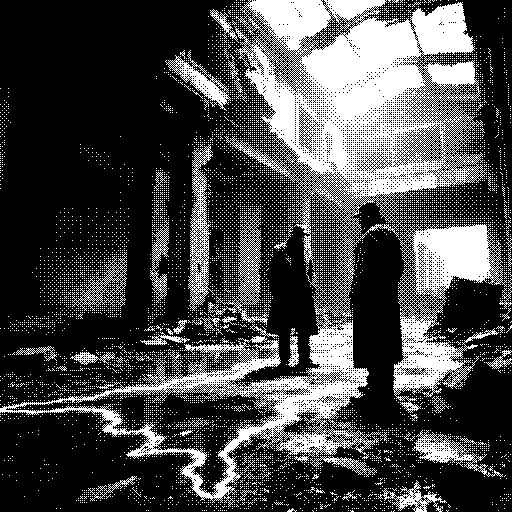
In the world of Ridley Scott's Blade Runner (1982) and Philip K. Dick's Do Androids Dream of Electric Sheep? (1968), reality and dreams blur, forcing us to question the nature of creativity and consciousness. Just as androids grapple with the authenticity of their memories, architects and designers now face a similar conundrum: if AI-generated images can imagine new worlds, whose vision do they truly represent?
Today, as artificial intelligence increasingly mediates the design process, a new terrain emerges, where intention, algorithmic interpretation, and execution coalesce in ways that are both expected and unanticipated. The Architect's Dream interrogates this liminal space, showcasing speculative architectural work that reveals AI's role not just as a tool for rendering possibility, but as a provocateur that exposes unconsidered opportunities.
AI image-making tools — trained on vast datasets that amalgamate histories, aesthetics, and stylistic tendencies — operate within a paradox: they can convincingly simulate new architectural futures while being fundamentally constrained by what has already been produced. Yet, somewhere between the precision of the algorithm and the subjectivity of the designer, an emergent condition arises — one that neither fully belongs to human authorship nor to machine learning logic.
This third condition, where human intentionality meets computational indeterminacy, is precisely where new architectural languages can be unearthed.
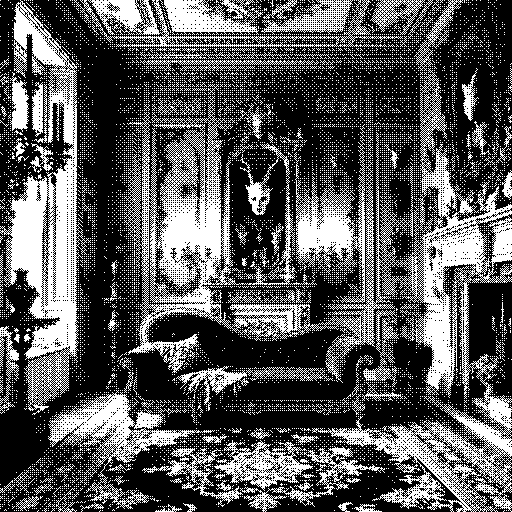
The work draws on AI and gaming workflows as experimental tools within architectural pedagogy. Students engaged platforms such as Krea AI, MeshyAI, and Luma AI Genie in combination with real-time engines like Unreal Engine — moving beyond conventional text-to-image generation into cinematic and explorable environments, allowing for the simulation of speculative ecologies, the fabrication of hybrid materialities, and the prototyping of polemical spatial narratives through immersive worldbuilding.
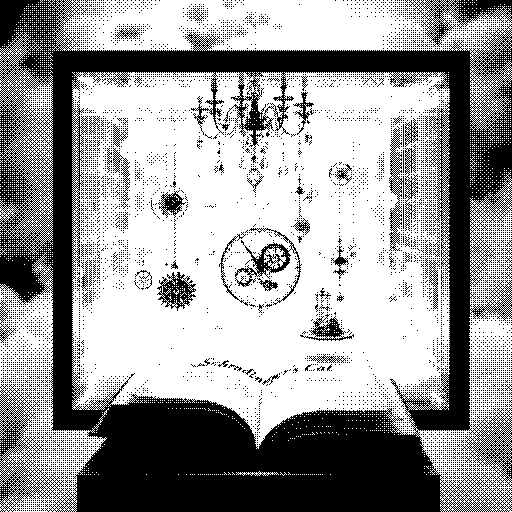
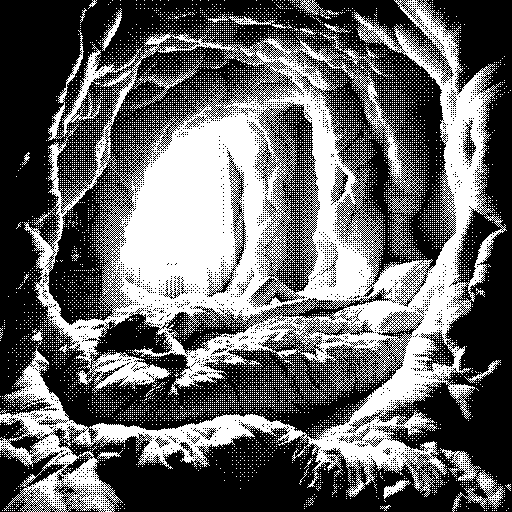
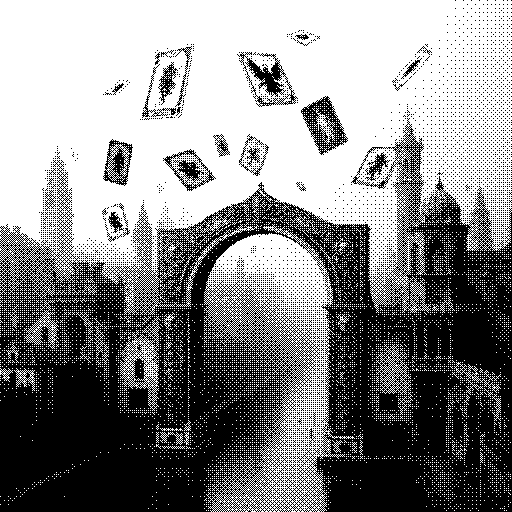
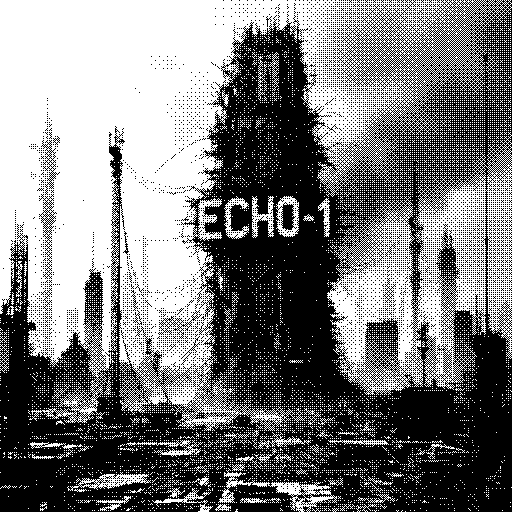
- Dr Sean PickersgillUniSA
- Andrew Lymn-PenningUniSA
- Dr Nathan James CraneUniSA
- Dr Patrick MacasaetRMIT
- Vei TanRMIT
Midjourney · FLUX · Krea AI · MeshyAI · Luma AI Genie · Unreal Engine
University of South Australia · RMIT University